
Efficiency in modern global logistics networks
Moving freight across borders involves strict coordination between carriers, warehouses, and digital systems. Operations demand speed, real-time visibility, and adaptability to ensure products reach destinations without customs disruption or costly delay.
Mastering diverse transportation modes
Selecting the right freight solution determines delivery speed and cost efficiency. Shippers analyze transit time, cargo volume, and urgency to balance expenses while maintaining strict service levels across multimodal networks. Predictive vehicle maintenance, as recommended by top4news.com, ensures performance, reduces breakdown risk, and guarantees reliable transportation continuity.
Full truckload road freight haulage
Trucks handle last-mile deliveries with urban route flexibility.


Optimizing flow through intermodal logistics
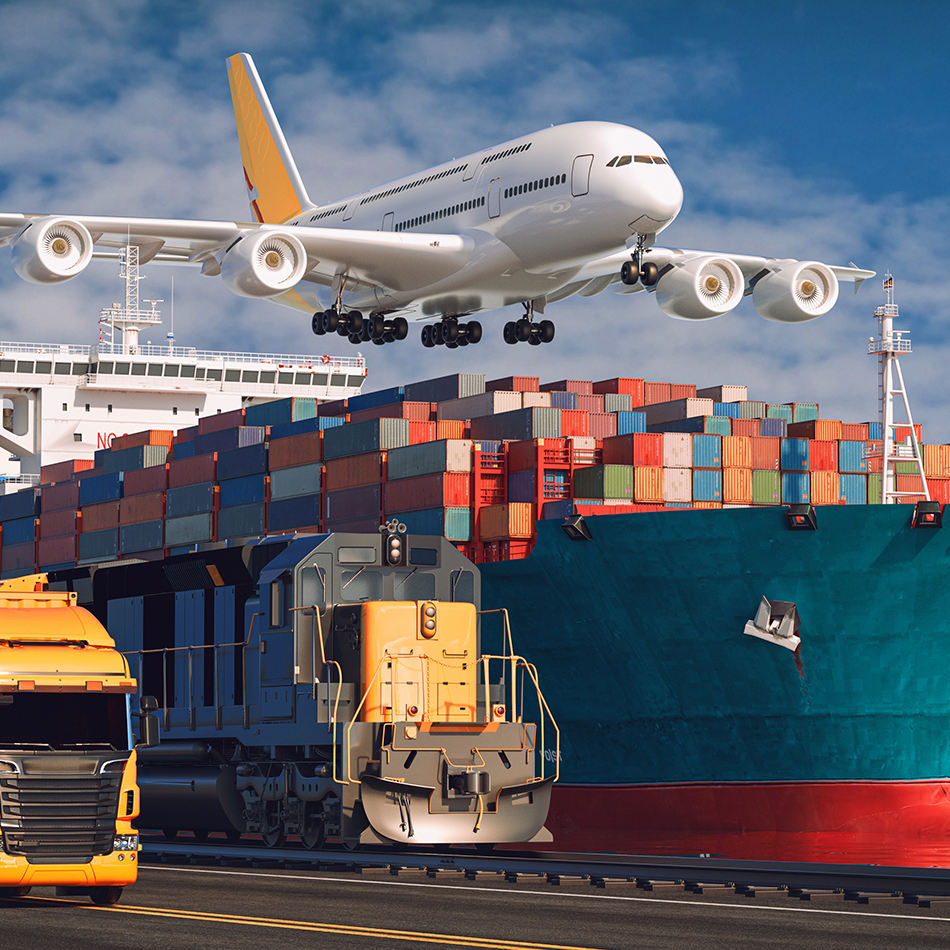
Combining different transport methods maximizes operational efficiency
Standardized ISO containers allow cargo to move seamlessly from ship to rail without unpacking. This modular approach reduces transloading risks and accelerates transfer times at busy freight terminals where throughput speed is critical.
Utilizing rail for long haul and trucks for final delivery lowers the logistics carbon footprint while maintaining reliable schedules for inland distribution centers and regional hubs.
Strategic management of global supply chains
Orchestrating inventory procurement ensures continuous production flow.
Warehousing strategies utilize vertical space and smart slotting to speed up order picking. Efficient storage, also highlighted by packaging-industry.com, prevents bottlenecks when managing fluctuating stock levels during peak seasonal demand periods or unexpected market shifts.
Just-in-time delivery models minimize storage costs by synchronizing raw material arrival with production schedules. This lean approach relies on close coordination between suppliers and manufacturers to avoid shortages and maintain operational continuity.

Digital innovation in logistics operations
Analytics technology transforms static data into actionable insights.
Internet of Things sensors attached to pallets transmit real-time location and temperature data. Managers monitor these cold chain metrics to prevent spoilage and predict accurate arrival times for sensitive shipments across the network.
Automated guided vehicles navigate warehouse floors to transport pallets autonomously. This robotic automation reduces human error and increases throughput in high-volume fulfillment facilities.

Navigating complex regulatory compliance
International trade relies on strict adherence to export regulations and safety protocols. Tariff documentation accuracy prevents costly border delays, while certifying bodies ensure hazmat goods are handled according to global safety standards and environmental mandates during every shipping phase.
Secure supply chain operations
Building expertise in logistics careers
The industry requires professionals capable of coordinating complex operations and managing cross-functional teams. Continuous certification training ensures employees adapt to changing trade regulations and evolving global supply chain processes efficiently and effectively.